CEP 812 Ill Structured Problem
Apert syndrome is a rare genetic disorder characterized by premature fusion of skull, hand, and foot bones (Boston Children’s Hospital, 2025). While cognitive development varies widely among individuals with Apert syndrome, educational challenges are common (Hilton, 2017). Research indicates individuals often experience difficulties with executive functioning, impacting their ability to complete tasks and participate in group work (Hilton, 2017).
Creating optimal educational settings for children with rare diseases requires understanding how medical symptoms translate into educational consequences (Röjvik et al., 2024). For students with Apert syndrome, cognitive challenges may stem from various interacting factors including social anxiety, peer acceptance issues, and environmental barriers (Hilton, 2017). When students struggle to contribute meaningfully to group activities, peers may become reluctant to work with them, further impeding social integration and learning opportunities.
This screencast explores how AI can help address the question: How can I support students' executive functioning during group activities so they can be more engaged, independent group members?
While neurotypical students often benefit from productive struggle when problem solving, students with executive functioning challenges require more explicit scaffolding. Röjvik et al. (2024) emphasize that adjustments must be based on individual symptoms and continuously evaluated, an incredibly time-intensive process for educators. AI offers a solution by rapidly generating customized checklists that break complex tasks into manageable steps.
In this screencast, I demonstrate how Magic School, an AI tool designed for education, can transform a group science activity from The Science Penguin into scaffolded checklists.
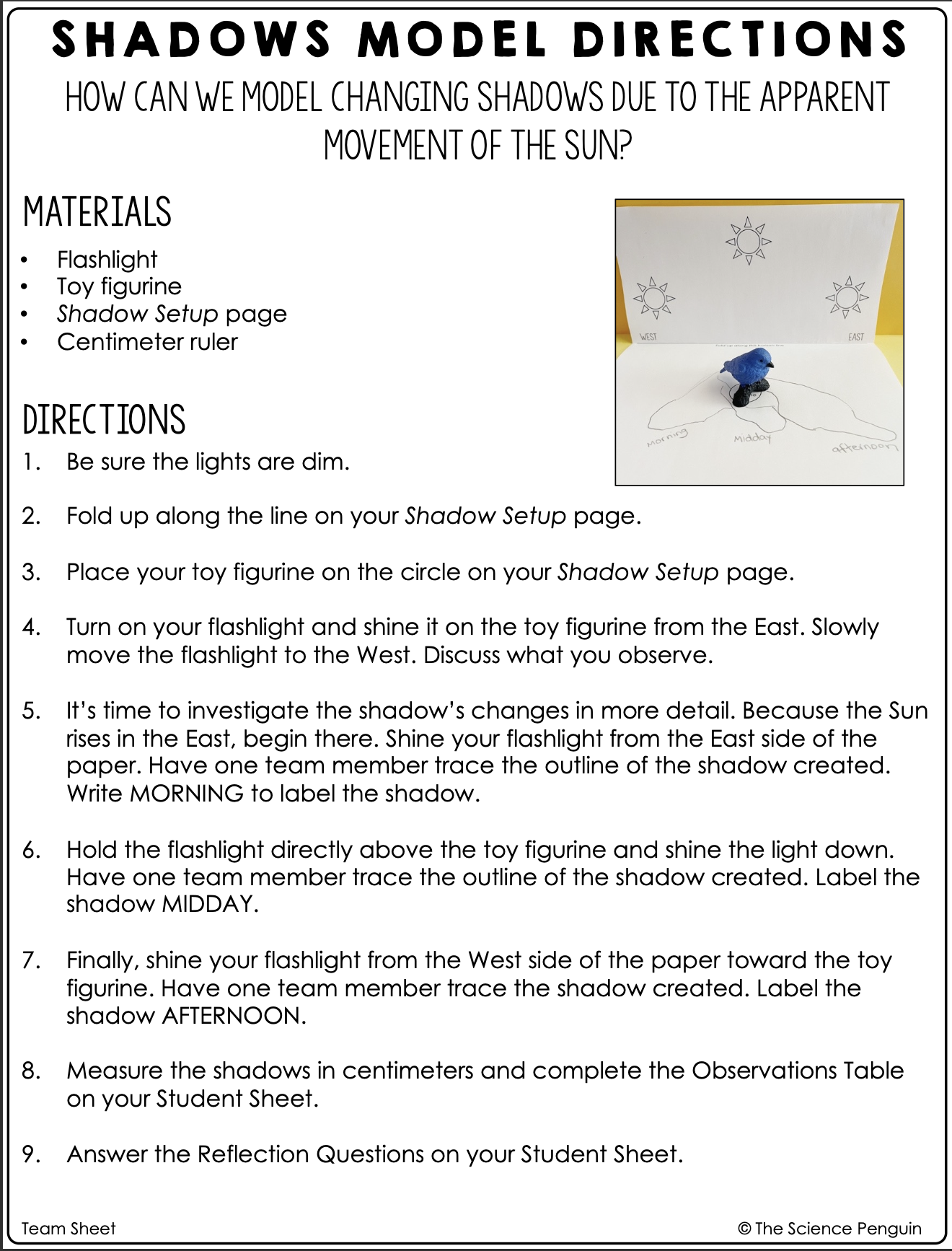
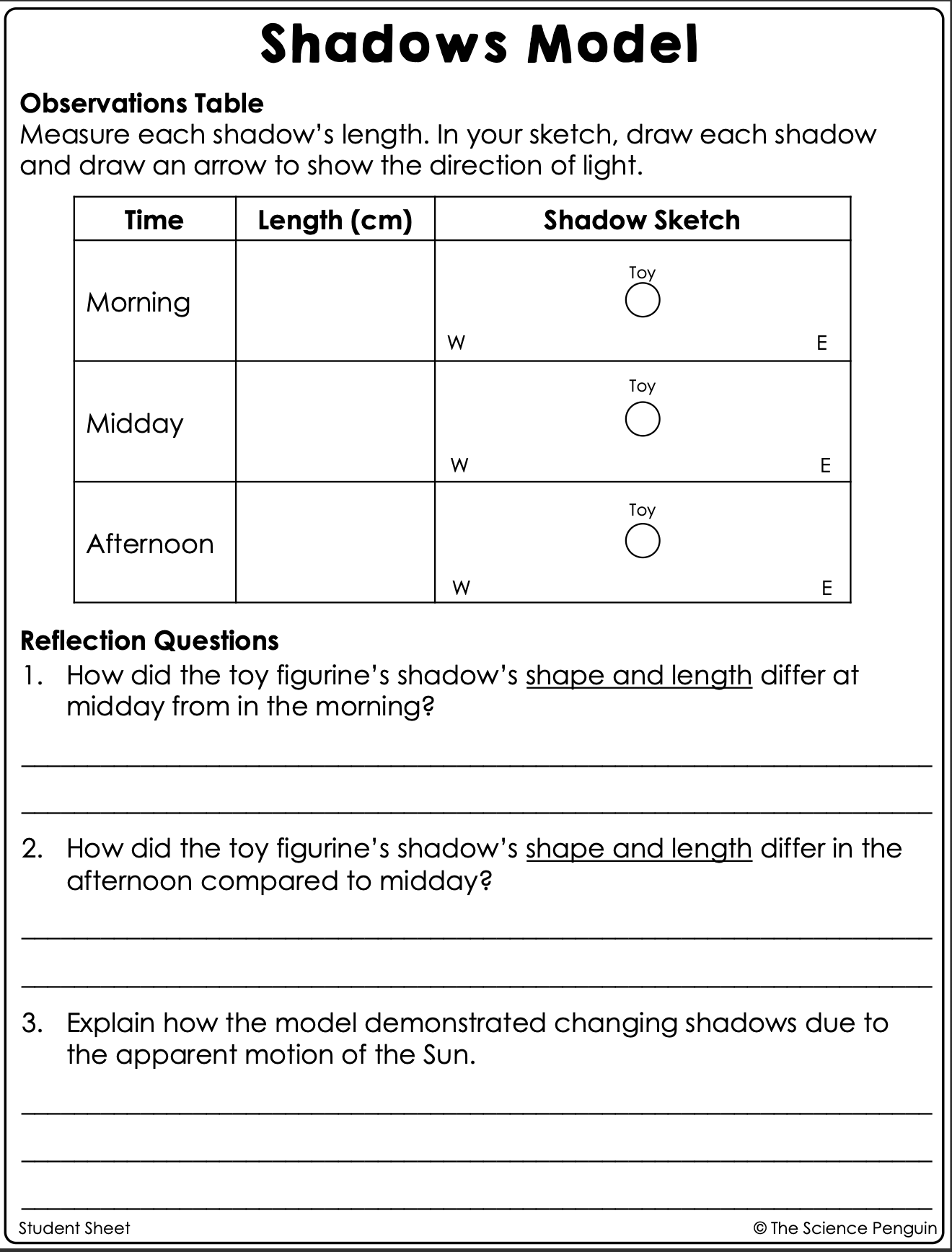
By implementing AI-generated checklists, students with executive functioning challenges can participate more fully in collaborative learning. This scaffolding enables them to access grade-level content alongside peers without being perceived as unhelpful group members; addressing both academic and social inclusion goals that are critical for positive developmental outcomes (Hilton, 2017; Röjvik et al., 2024).
References:
Apert Syndrome | Boston Children’s Hospital. (2025). Childrenshospital.org. https://www.childrenshospital.org/conditions-treatments/apert-syndrome
Hilton, C. (2017). An exploration of the cognitive, physical and psychosocial development of children with Apert syndrome. International Journal of Disability, Development and Education, 64(2), 198-210. https://doi.org/10.1080/1034912X.2016.1194379
Röjvik, A., Jaeger, G., Hjelmquist, E., & Falkman, K. W. (2024). Creating optimal educational settings for children with rare diseases—a working method. European Journal of Special Needs Education, 39(5), 759-773. https://doi.org/10.1080/08856257.2023.2294237
The Science Penguin — We love science! (2019). The Science Penguin. https://thesciencepenguin.com/
