Assessment Data
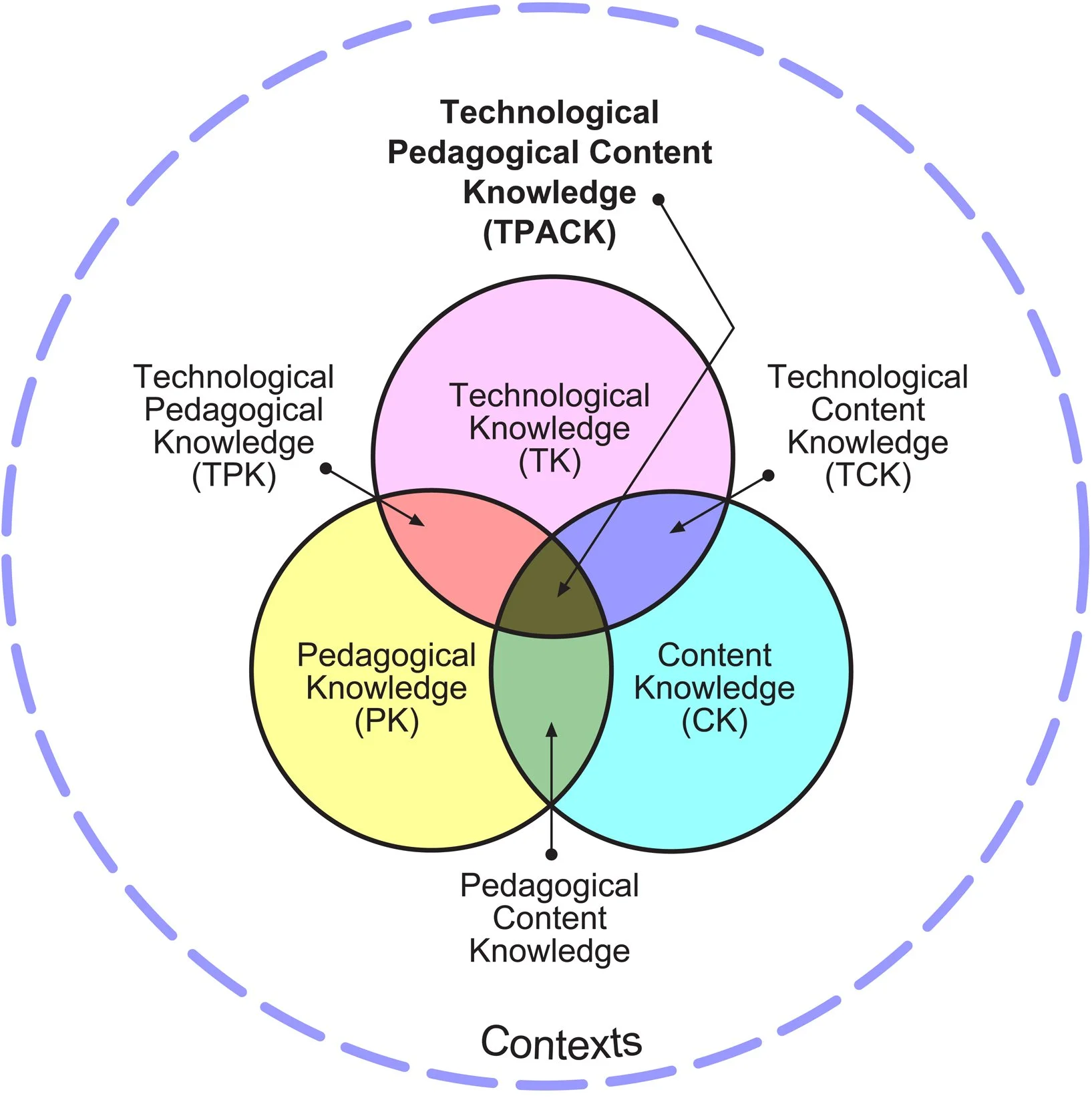
In CEP 813 we have been exploring the data that assessment can give us. While sometimes I think that focusing on the data can cause educators to lose sight of the individuals, there is obviously real value in analyzing student results. For Sandbox Assessment #12, in which we were given various parameters in which we needed to design an assessment, I worked on a pre-assessment for a unit on photosynthesis that aimed to show which misconceptions students have. Having a good understanding of common student misconceptions is an important part of a teacher's Pedagogical Content Knowledge (PCK) (EBSCO Information Services, 2024).
Working in an international school means dealing with constant student turnover. Every year I have students who took MYP 1 science here mixed with students who learned sixth grade science somewhere else. Curriculum maps tell us that students "should" learn photosynthesis in MYP 1 and then build on that knowledge in MYP 3, and again in DP if they are taking biology, but that assumes everyone actually learned it the same way. In reality, I have no idea what foundation I'm building on.
While designing this pre-assessment, I decided it could answer a specific question about our curriculum: what misconceptions are our MYP students developing versus students who learned photosynthesis elsewhere? If I grouped students based on whether they took the unit in sixth grade here or at another school, I could look for patterns in the types of misconceptions each group holds. Maybe students who went through our curriculum understand energy transfer but struggle with matter. Maybe students from elsewhere have the opposite pattern. That data would tell me what our curriculum emphasizes well and where it might have gaps.
I designed the assessment using a diagnostic quiz from Science and Plants for Schools (n.d.) and research by Aprianti et al (2025) that identifies common photosynthesis misconceptions. The assessment would ask students to explain not just what photosynthesis is, but where plants get their mass, why photosynthesis matters to other organisms, and how energy moves through the process; the conceptual pieces students often miss even when they can recite the equation.

This kind of internal curriculum audit isn't something we do often enough in schools (undoubtedly because of lack of time, not lack of desire). We assume that if we taught something, students understand it. We follow the curriculum map and move on. But pre-assessment data could give us a reality check about what our specific curriculum actually produces in terms of student understanding. If the data showed that our MYP students consistently hold certain misconceptions, I'd know which parts of that curriculum need revision.
EBSCO Information Services. (2021). Pedagogical content knowledge. https://www.ebsco.com/research-starters/education/pedagogical-content-knowledge
Science and Plants for Schools. (n.d.). Photosynthesis quiz: Test your knowledge. https://www.saps.org.uk/teaching-resources/resources/1223/photosynthesis-quiz-test-your-knowledge/
Aprianti, E., Sunandar, A., & Setiadi, A. E. (2025). Misconceptions about the concept of photosynthesis among grade 12 students using the image analysis method. JPBI (Jurnal Pendidikan Biologi Indonesia), 11(1), 343–350. https://doi.org/10.22219/jpbi.v11i1.37978
